International media relations: How global innovation stories work
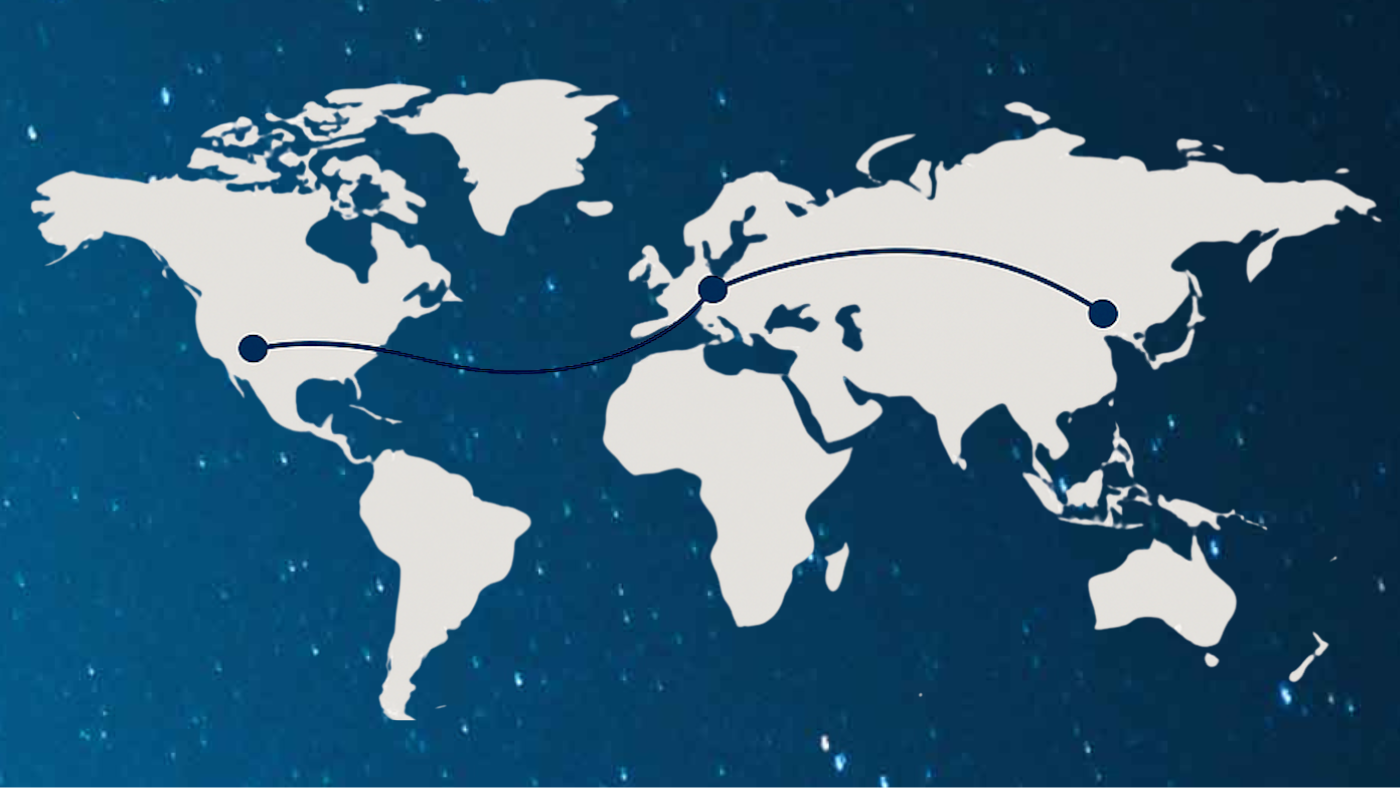
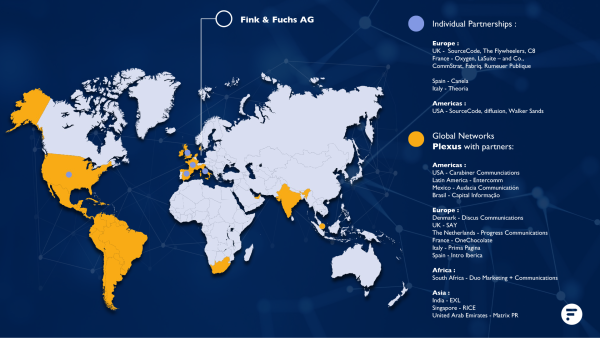
Innovation knows no national borders – and neither does successful communication. For many of our clients, it is crucial that their topics are covered not only in the UK, but also in the relevant target media in the US, the UK or Europe. As part of our international media relations services, we coordinate global communication activities centrally from Germany, combining them with local market expertise, the right contacts and a sound knowledge of international media discourse.
Two paths to international visibility
Our approach is based on two closely interlinked pillars:
1. Collaboration with local agencies
We work with experienced partner agencies in the UK, France, Spain, Italy and the USA. Each of these agencies brings its own understanding of local media logic: What narratives shape reporting? How far has the public debate progressed? Where does it connect to German messages – and where do stories need to be told differently? These local insights are crucial for tailoring international media relations work.
2. Direct contact with international correspondents
At the same time, we talk to journalists who work across borders: correspondents from the Financial Times, Politico, Table.Media and Euractiv. This target group in particular combines the European context with global perspectives.
Clients such as Focused Energy have demonstrated how important this direct access is: international journalists do not necessarily have the specifics of the German energy sector on their agenda – which makes precise speaker briefings, reliable facts and clear messaging all the more relevant.
Discourse observation as a strategic basis
International communication only works if you understand the countries mindset and attitude regarding specific topics. That’s why every campaign is preceded by an in-depth analysis:
What role does a topic play in certain markets?
What lines of conflict or political dynamics shape the debate?
Where are the commonalities – and where does the story need to be explained differently?
Precise data from monitoring tools helps us identify who sets the agenda at the international level – and how we can meaningfully connect or correct these narratives.
Focused Energy: An example that electrifies global media
Hardly any other topic demonstrates the value of international communication as clearly as fusion energy. Focused Energy, with locations in Darmstadt and Redwood City, is one of the most exciting energy companies and is closely watched internationally.
The Forbes article from 8 December 2025 classifies Germany’s new role in the global fusion landscape: The country, long regarded as an ‘anti-nuclear example,’ is becoming a strategic location for fusion technology. Focused Energy is supported by investors, engineers and industry partners such as RWE – a strong signal to the world.
The latest article in the San Francisco Business Times also impressively describes the strategic realignment: Focused Energy is expanding its activities in the US, recruiting AI and software talent there, while simultaneously planning the commercialisation of laser fusion power plants in Germany.
Why Germany? Because former nuclear power plant sites such as Biblis offer existing infrastructure, shortened approval processes and a surprisingly high level of social acceptance. This is a momentum that surprises even international media representatives.
How Fink & Fuchs enables international resonance
Publications in international media such as the San Francisco Business Times or Forbes are no coincidence. Behind them is a multi-stage approach:
- Targeted prioritisation of markets (e.g. Brussels because of EU energy policy)
- Personal access to relevant journalists – sometimes via telephone across different time zones
- Story angles that work for different countries,
- Precise coordination of all international activities.
This creates a consistent narrative with international relevance: Germany as a location for a fusion power plant, Europe and the USA working together. Focused Energy is an excellent example of how the future of energy is not being conceived in national silos.
Conclusion: Global stories need local expertise
Anyone who wants to be successful internationally in media relations in a networked world must understand discourse, shape narratives and intelligently connect markets. Fink & Fuchs creates the structures for this – with strong partners, direct media contacts and a strategic eye for global connections. This is how technological breakthroughs become international stories.